
SCRMET
Input data
RESEARCH TECHNOLOGY
11.02.2026

11 Feb, 2026
100 wells were selected for the project, located throughout the field without reference to a specific block. The data was limited to zones of interest – Horizons 12–18. The standard logging suite included: spontaneous potential (SP), gamma-ray (GR), neutron logs (TNPH), bulk density (RHOB), lateralog or induction resistivity (RDEEP), compressional slowness (DTP).In Uzen f ield, various types of neutron logging were recorded:
• Neutron-gamma logging (NGK), which measures gamma radiation induced by neutrons on the rock.
• Thermal neutron logging and epithermal neutron logging (NNKT), measuring the density of thermal and epithermal neutrons respectively. Initially, some data lacked the hydrogen index or neutron porosity curves, which were prepared for subsequent processing. Many wells only had raw neutron measurements, including count rates from far and near sondes or a neutron-gamma detector. Different formulas were applied to calculate neutron porosity, considering well diameter, drilling fluid properties, and reservoir conditions, based on the type of tools used. As the data spanned 60 years, information on well and mud data wasn’t consistently stored and accessible, necessitating the use of general formulas for recalculation, resulting in deviations in neutron porosity values in the reference zone. The choice of representative zones and similar characteristics was based on knowledge of the local reservoir geology and petrophysics: the average value of neutron porosity of clean sandstone in the Valanginian (12th horizon) is approximately 27% (first reference interval) and reading of Oxfordian clay (13th horizon) is around 42% (second reference interval). Gamma ray logs were recorded using different tools and units of measurement, prompting the conversion of uR/hr to GAPI for further processing. Spontaneous potential logs were baseline shifted to consistent shale baselines with depth and were also converted to Alpha SP ranging from 0 to 1 to facilitate their use as an input for machine learning. Resistivity data appeared in different types: Russian laterolog (BK), Gradient resistivity (BKZ), array induction (VIKIZ). The traditional interpretation methodology of BKZ tools involved a complex set of chart-book lookup procedures to correct each curve for mud and wellbore properties, as well as for the effects of nearby low resistivity layers, thin beds, and large invasion zones. This manual procedure was challenging to apply, necessitated extensive interpolation, and typically provided only a single average value for each zone. Therefore, the authors opted to utilize laterolog resistivity for testing the machine learning algorithm in the Uzen field.
VISIT ALSO







TOP NEWS

INDUSTRY NEWS
11 Feb, 2026
INTERVIEWS
11 Feb, 2026
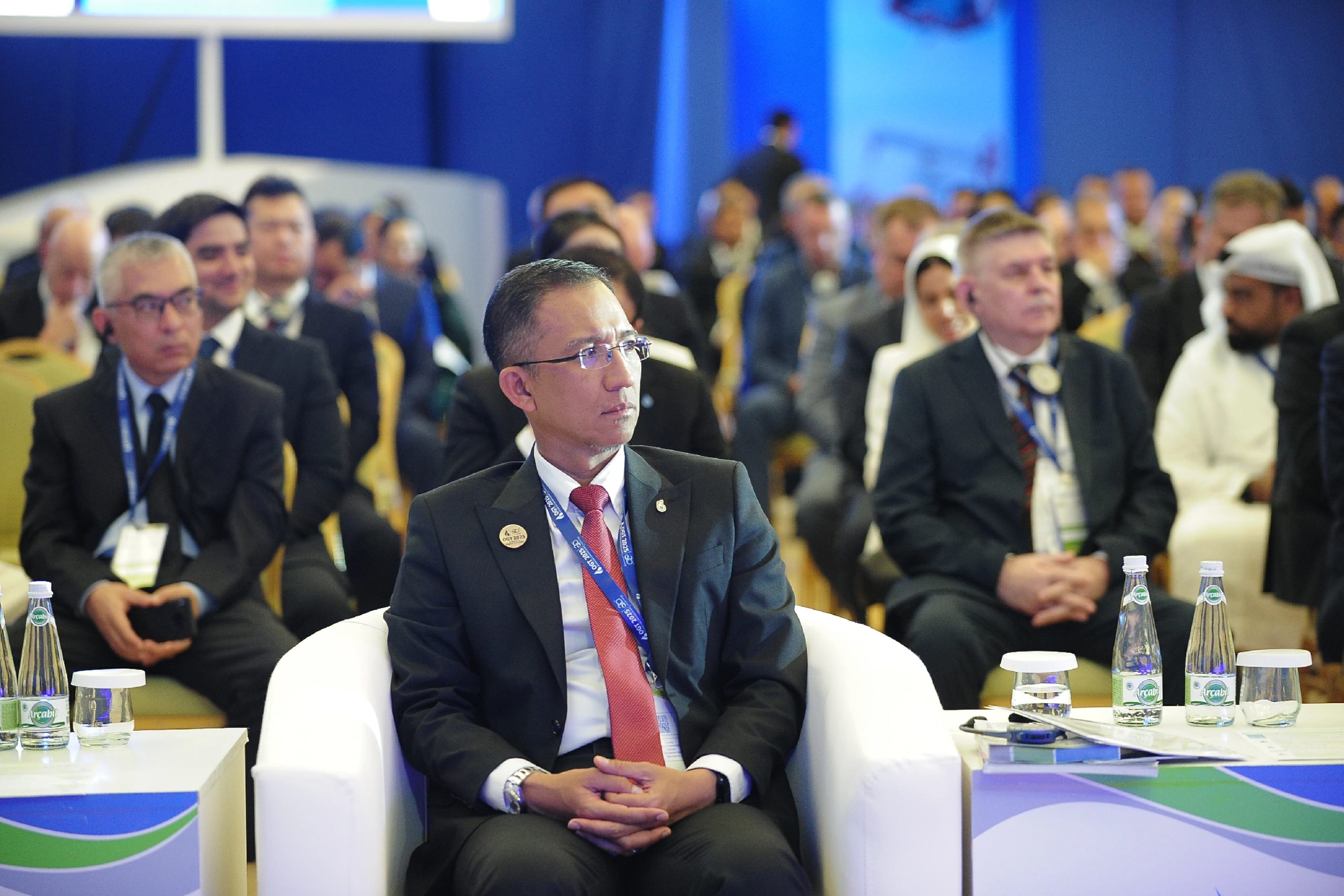
Interview with Mr. Ismadi Bin Ismail,CEO of PETRONAS in Turkmenistan

DECARBONIZATION
11 Feb, 2026
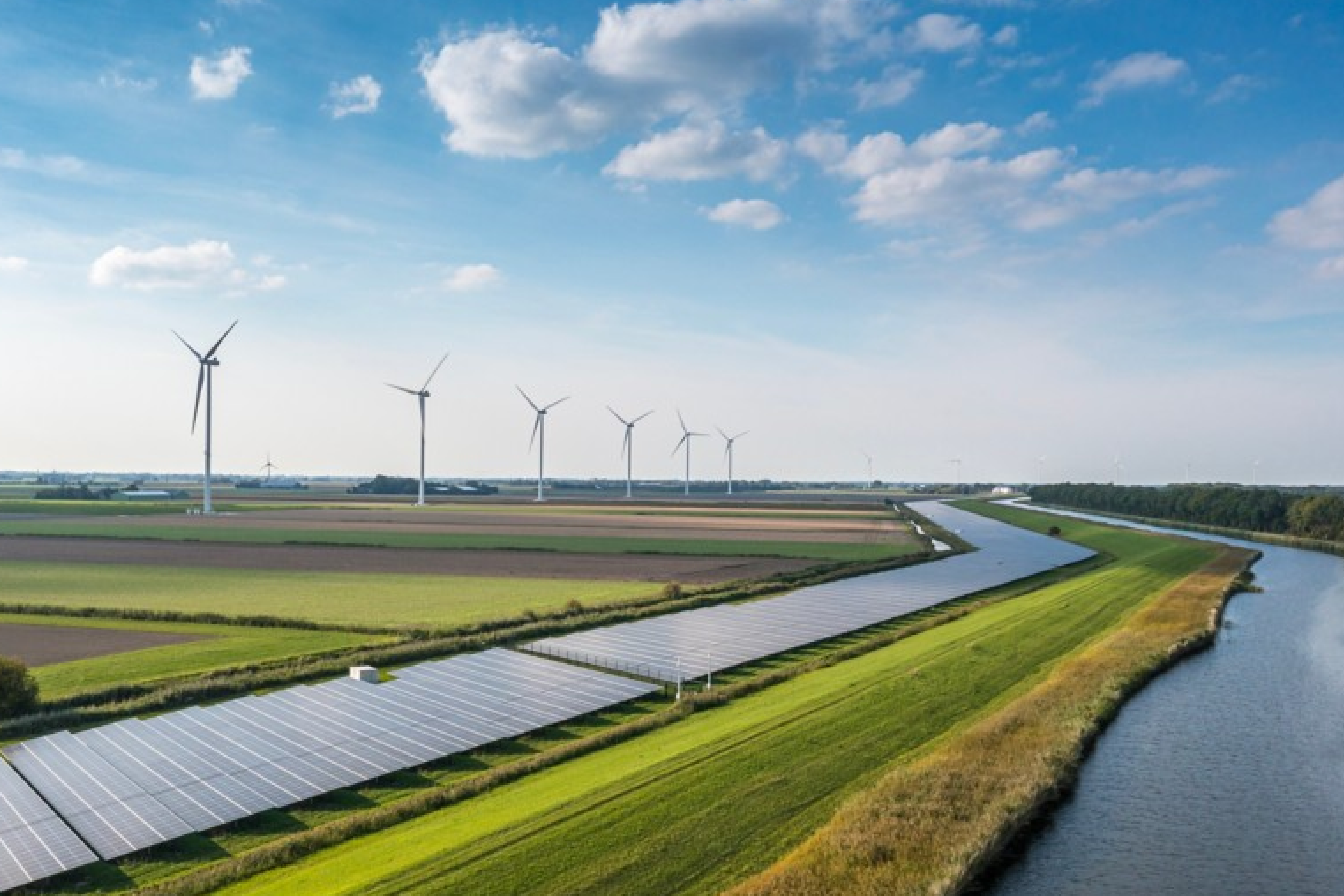
Electricity Surge Led by China
ENERGY
11 Feb, 2026
Italy’s energy major Eni announces FID for Mozambique’s Coral North FLNG project
TENDERS
09.01.2026
19.02.2026
Turkmengas State Concern Announces International Tender for Overhaul of Gas Turbine Engines

Archabil Avenue 56, Ashgabat, Turkmenistan
12.01.2026
20.02.2026
Turkmengas Announces Tender for Purchase of Material and Technical Resources
Archabil Avenue 56, Ashgabat, Turkmenistan
13.01.2026
23.02.2026
Turkmengas Announces Tender for the Procurement of Electrical and Technological Equipment
Archabil Avenue 56, Ashgabat, Turkmenistan
14.01.2026
25.02.2026
Turkmengas Announces Tender for Purchase of Material and Technical Resources
Archabil Avenue 56, Ashgabat, Turkmenistan
20.01.2026
02.03.2026
Turkmengas Announces Tender for Purchase of Material and Technical Resources
Archabil Avenue 56, Ashgabat, Turkmenistan
21.01.2026
03.03.2026
Türkmennebit Announces Tender for Purchase of General Plant, Technological and Drilling Equipment
Archabil Avenue 56, Ashgabat, Turkmenistan
21.01.2026
04.03.2026
Turkmengas Announces Tender for Purchase of Material and Technical Resources
Archabil Avenue 56, Ashgabat, Turkmenistan
23.01.2026
06.03.2026
Turkmengas Announces Tender for Purchase of Material and Technical Resources
Archabil Avenue 56, Ashgabat, Turkmenistan
Contacts
-
 +99312414008
 -
+993 71 62 22 38
-
 R.C. «Gurtly» 63. Ashgabat, Turkmenistan




© 2025 All rights reserved.